What Is Millwork? A Homeowner’s Guide to Trim, Molding, and Built-Ins
Millwork service at Billerica MA
You’ve probably heard the word “millwork” tossed around during a renovation conversation or spotted it on a design website. But unless you work in construction or interior design, it’s one of those terms that sounds important without being entirely clear.
Here’s the short answer: millwork is the custom woodwork that gives a home its character. It’s the crown molding that makes a ceiling feel finished. The built-in bookshelves that turn a wall into a focal point. The window casing that frames a view. The wainscoting that adds elegance to a dining room. Without it, even the most beautifully furnished home can feel unfinished – like a picture without a frame.

At HSH Design Inc. in Wilmington, MA, millwork is a core part of how we bring thoughtful detail and long-term function to every remodeling project. Whether you’re renovating a kitchen in Burlington, updating a bathroom in Reading, or doing a full home makeover in Andover, understanding millwork will help you make smarter decisions and get more from your renovation budget.

This guide covers everything a Massachusetts homeowner needs to know: what millwork is, the different types, how it’s used in real projects, how much it costs, and how to choose the right millwork for your home.

What Exactly Is Millwork?

The word “millwork” originally referred to wood products manufactured at a lumber mill – as opposed to timber cut on-site. Today, the term covers a broad category of custom and semi-custom wood components that are fabricated to specific dimensions and installed as part of a home’s architecture.
The key distinction is that millwork is built into the structure of the home, not placed in it. A bookcase you buy at a furniture store is furniture. A built-in bookcase with custom shelving, integrated lighting, and a matching base cabinet that’s anchored to the wall and finished with trim that matches your baseboard – that’s millwork.
Millwork includes both architectural millwork (trim, molding, casing, wainscoting – elements that define the shape and detail of rooms) and functional millwork (built-in storage, cabinetry, shelving, and furniture-style pieces that are part of the room’s layout).

Types of Millwork: A Complete Breakdown

Understanding the different categories of millwork helps you have more informed conversations with your designer and contractor – and helps you spot opportunities to add value in your home.

1. Trim and Baseboard
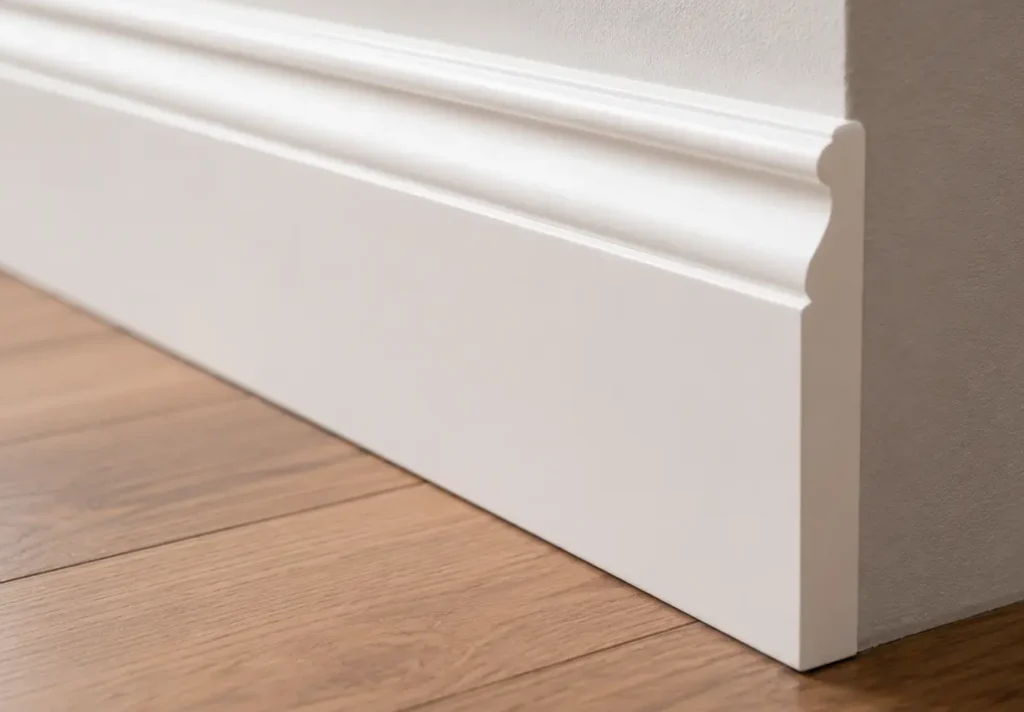
Clean Molding and Hardboard Junction
Trim is the most common form of millwork and is found in virtually every home. It includes the strips of wood that run along the base of walls (baseboard), around door frames (casing), and along the top of walls where they meet the ceiling (crown molding). Trim serves two purposes: it covers the gaps between surfaces (where the drywall meets the floor, for example) and it adds decorative detail that elevates a room’s finish level.
Trim profiles range from simple and modern (a flat 3-inch baseboard with a square edge) to highly detailed and traditional (layered base with a shoe molding, cap, and decorative profile). The right choice depends on your home’s architecture – a Cape Cod in North Reading calls for something very different than a contemporary new build in Lexington.

2. Crown Molding

Crown Molding
Crown molding is the decorative trim installed at the junction of walls and ceilings. It’s one of the single most impactful millwork additions you can make to a room – it draws the eye upward, adds perceived height, and gives a finished, architectural quality to spaces that feel incomplete without it.
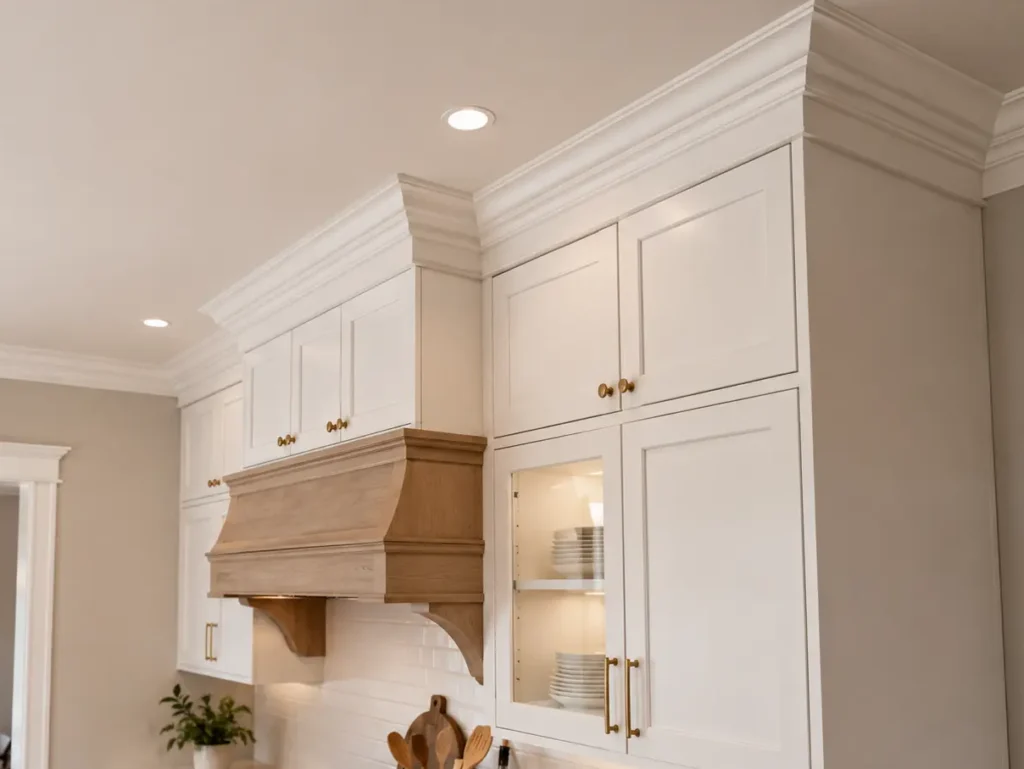
Crown molding ranges from a simple single-piece profile to elaborate multi-layer assemblies stacked to create a dramatic cornice effect. In kitchens, crown molding is commonly added to the tops of upper cabinets to give them a built-in, custom appearance – one of the most popular millwork upgrades we install at HSH Design Inc.

3. Wainscoting and Wall Paneling

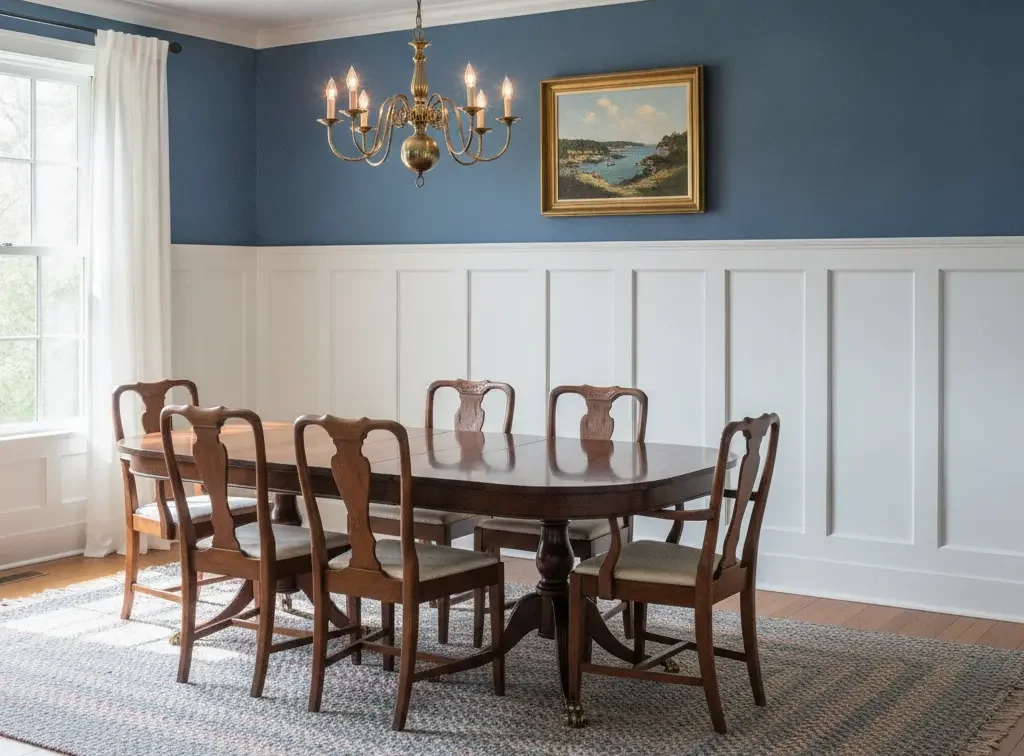
Wainscoting refers to decorative wood paneling applied to the lower portion of a wall, typically from floor to chair-rail height (about 32-36 inches). It adds depth, texture, and a sense of quality to dining rooms, entryways, hallways, and bathrooms.

Common wainscoting styles include:
  • Raised panel: Traditional and formal; panels are slightly raised from the frame. Ideal for Colonial and traditional New England homes.
  • Flat panel (recessed): Clean and modern; panels sit behind the frame. Works beautifully in contemporary and transitional homes.
  • Beadboard: Vertical planks with a narrow groove between them. Cottage, farmhouse, and Cape Cod styles.
  • Board and batten: Alternating wide boards and narrow strips; popular in modern farmhouse and transitional designs.

4. Window and Door Casing
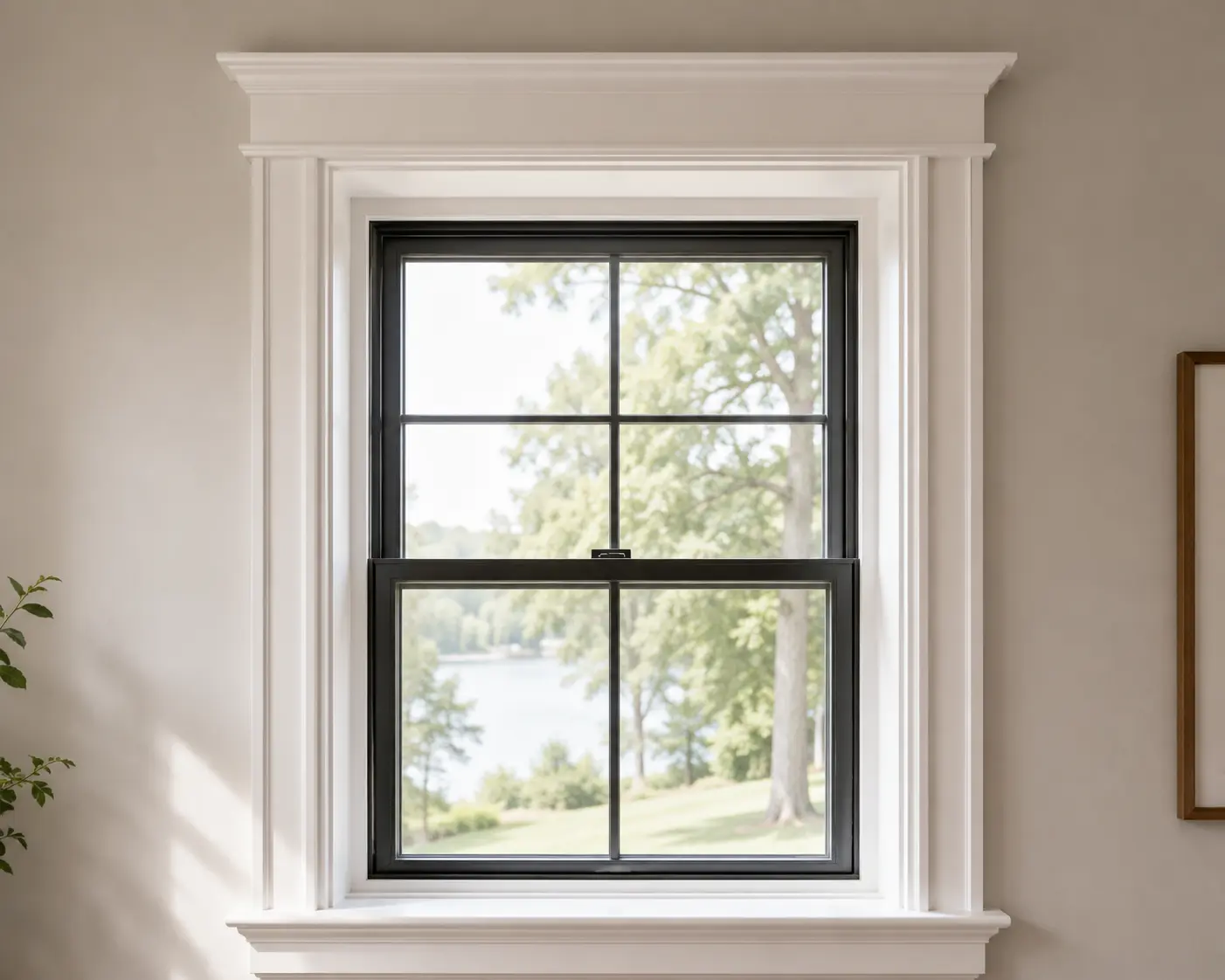
Casing is the trim that surrounds windows and doors on the interior side. It covers the gap between the frame and the drywall and plays a major role in establishing the design character of a room. A simple 2.5-inch colonial casing with a back band reads as traditional. A flat, minimal casing with tight reveals reads as contemporary.
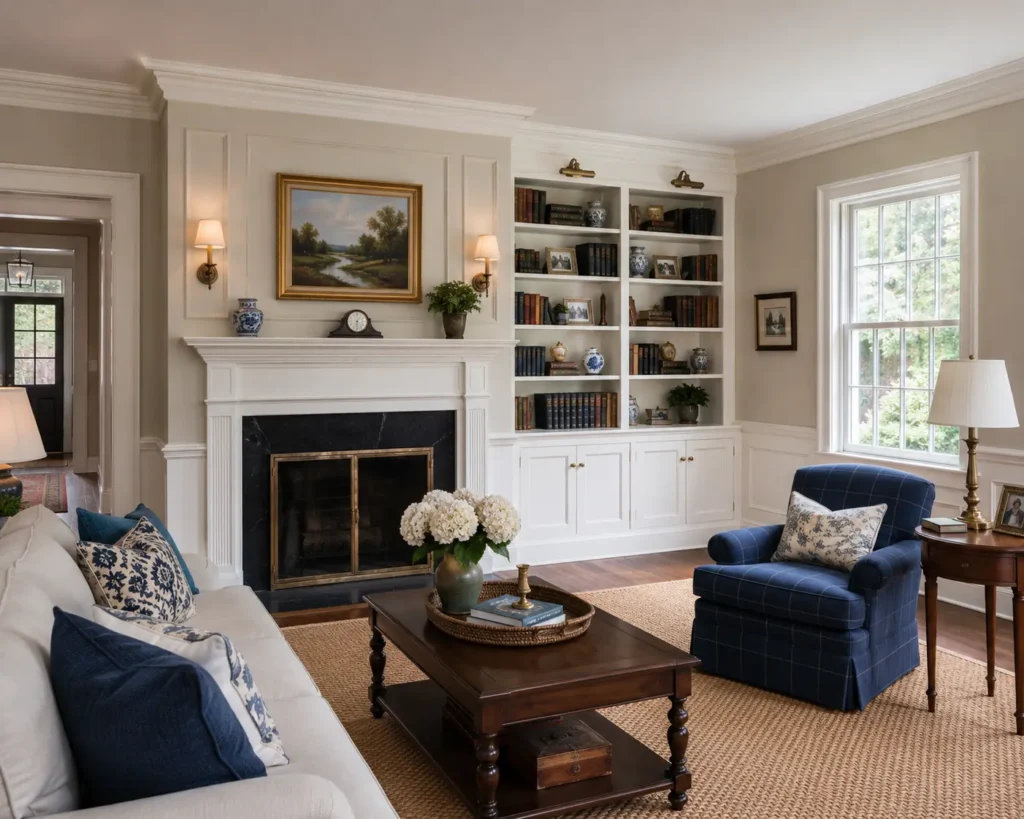
One often-overlooked detail: when all your casing, baseboard, and crown molding share the same profile family or finish, the room achieves a cohesive, designed-from-scratch quality that adds real perceived value – and real appraised value – to your home.

5. Built-In Shelving and Storage

Built-In Shelving and Storage
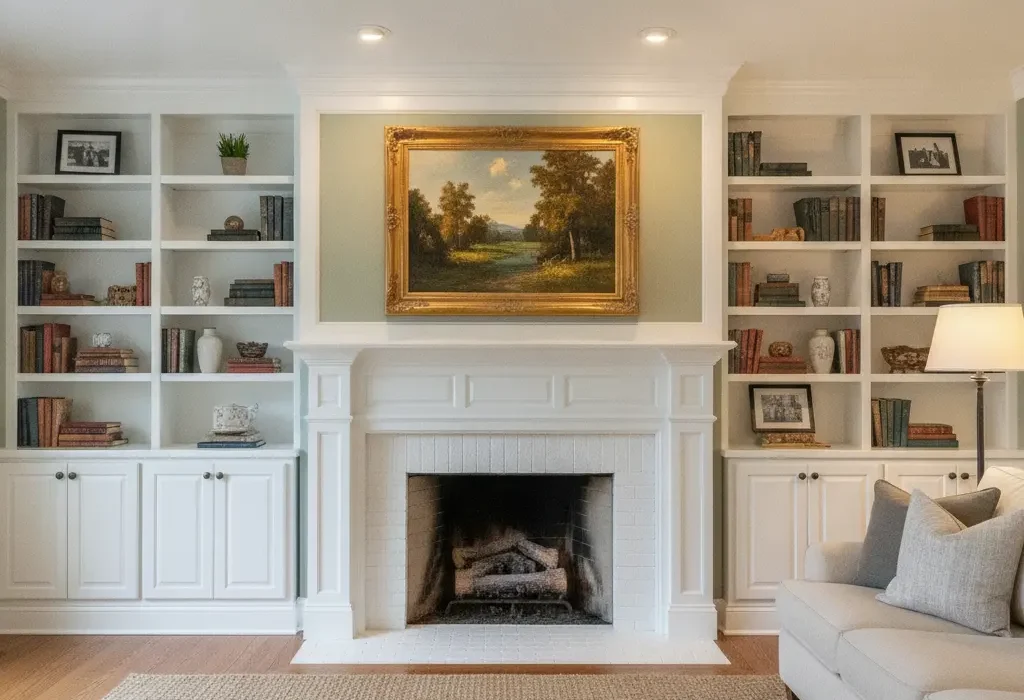
Built-ins are the most functional category of millwork, and also among the most valuable. A well-designed built-in bookcase, entertainment center, mudroom locker system, or window seat with storage adds square footage of usable storage space while looking like a permanent, intentional part of the home’s architecture.

Built-ins also dramatically increase perceived home value. Real estate agents consistently report that buyers react more positively to homes with custom built-ins than to those without – even when the underlying square footage is identical. In the competitive Massachusetts real estate market, from Wilmington to Winchester to Woburn, built-ins are a reliable investment.

6. Stair Parts and Railings
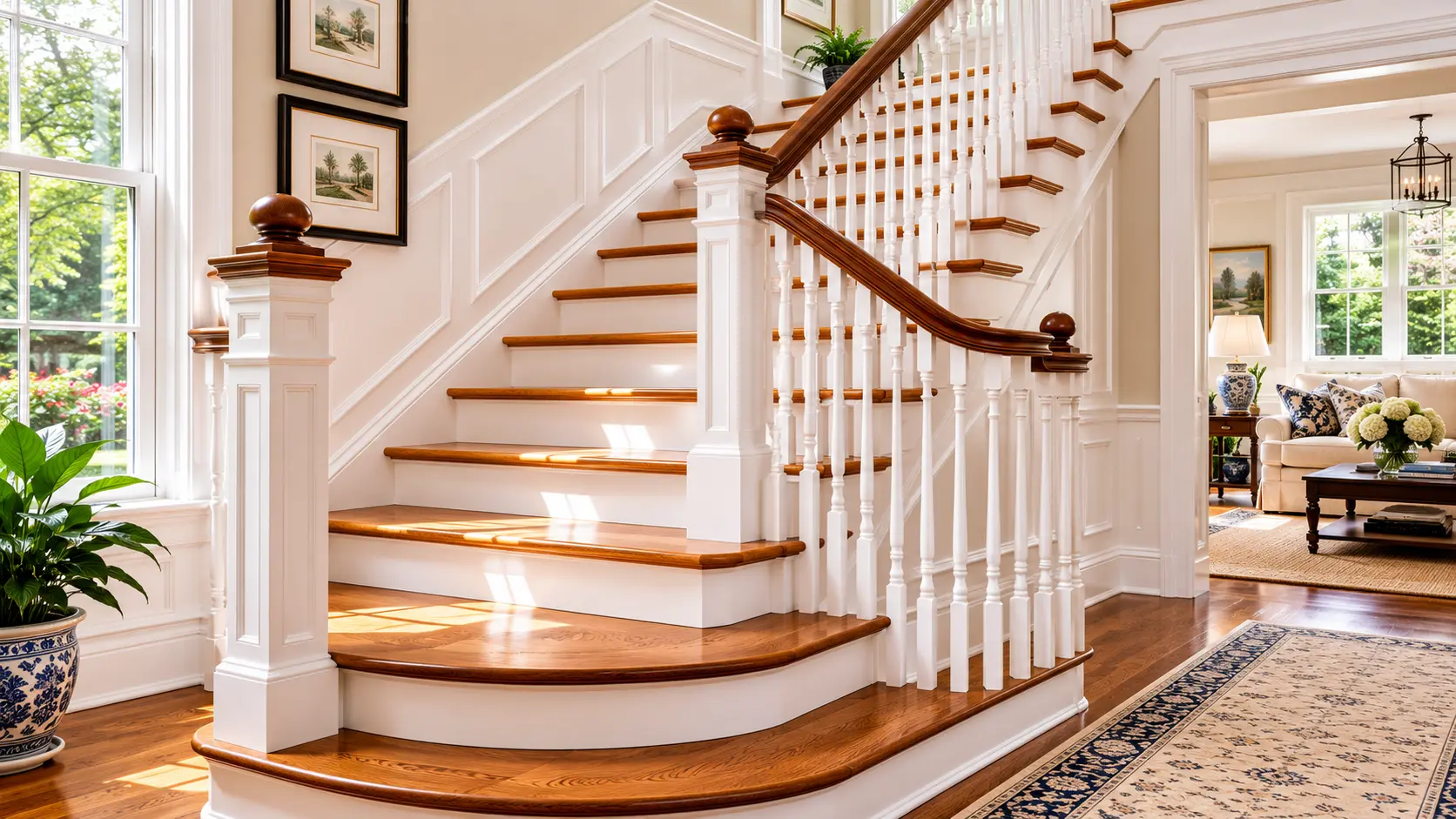
Stair Parts Millwork in Billerica
Staircases involve a significant amount of millwork: the newel posts (the large vertical posts at the top and bottom of a staircase), balusters (the vertical spindles between the rail and the tread), handrails, and the treads and risers themselves. Updating stair millwork – especially replacing builder-grade pine treads with hardwood and swapping out dated metal balusters for clean wooden or wrought-iron styles – is one of the highest-impact renovations in a two-story home.

Where Millwork Makes the Biggest Impact in Your Home

Kitchen Millwork

The kitchen is where millwork and cabinetry intersect most dramatically. Crown molding on upper cabinets, light rail molding beneath them, furniture feet on base cabinets, decorative range hood surrounds, and custom open shelving are all millwork elements that transform builder-grade kitchens into custom-looking spaces.
At HSH Design Inc., our kitchen design process integrates millwork from the beginning – not as an afterthought. The trim profiles on your cabinets, the crown detail at ceiling height, and the decorative pilasters flanking your range are all considered together with your cabinetry selection to create a coherent, high-end result.

Bathroom Millwork

In bathrooms, millwork adds the kind of spa-quality detail that turns a functional room into a retreat. Wainscoting in a primary bath creates an elegant backdrop. A custom vanity surround with furniture-style feet and detailed molding elevates the entire room. Niches with trim detail, framed mirrors with integrated millwork borders, and beadboard ceilings in half baths all contribute to a finished, intentional look.

Living Room and Entryway Millwork

The entryway is your home’s first impression, and millwork sets the tone immediately. A well-detailed entryway with crown molding, wainscoting or board and batten, and cased openings signals quality and care throughout. Living rooms benefit from built-in bookcases flanking a fireplace, coffered ceilings (grid-pattern beam work built down from the ceiling), or feature walls with detailed paneling.

What Does Millwork Cost in Massachusetts?

Millwork costs vary widely based on the type of wood, the complexity of the profile, the scope of the installation, and your location. Here’s a general range for the greater Wilmington, MA area:
  • Basic trim installation (baseboard + casing, per room): $500-$1,500 depending on room size and profile complexity
  • Crown molding (per room): $400-$1,200 for a single profile; $1,000-$3,000+ for multi-layer or coffered ceilings
  • Wainscoting (per room): $1,000-$4,000 depending on style (beadboard vs raised panel), height, and linear footage
  • Built-in shelving or cabinetry: $2,000-$10,000+ depending on size, material, and complexity
  • Kitchen cabinet crown and light rail: $300-$1,500 depending on kitchen size and profile selected
These are estimates. The best way to get accurate pricing for your specific project is to schedule a consultation with our team at HSH Design Inc., where we can assess your space, discuss your goals, and provide a realistic scope and budget.

How to Choose the Right Millwork for Your Home

The most common millwork mistake homeowners make is choosing trim, molding, or built-ins in isolation – without considering the overall architectural character of the home. Here’s a simple framework to guide your decisions:

Start with your home’s style –  A classic Colonial in Wilmington or Tewksbury calls for traditional profiles – raised panel wainscoting, multi-piece crown molding, detailed casing with back bands. A modern home in Lexington or Concord calls for restraint – minimal flat trim, clean reveals, no ornamentation for its own sake.
Match your profile family –  All the millwork in a given space should feel like it belongs together. This means coordinating the scale, style, and finish of your baseboard, casing, crown, and built-ins so they read as a unified design decision rather than a collection of independent choices.
Consider paint vs. stain –  Painted millwork (almost always white or a soft neutral) is the most popular choice in Massachusetts homes because it’s versatile, timeless, and coordinates with a wide range of wall colors. Stained wood millwork works beautifully in Craftsman, traditional, and rustic interiors where natural wood tones are part of the design story.
Think about the long game –  Millwork is a permanent investment. Unlike furniture or paint, it stays with the house. Choose styles and profiles that are timeless rather than trendy, especially if you might sell within 10 years. Classic profiles always appeal to a broader buyer pool than niche or highly experimental choices.

Custom Millwork Services at HSH Design Inc., Wilmington MA

At HSH Design Inc., millwork is woven into every project we take on. As a family-owned kitchen, bath, and home design center at 442 Main Street in Wilmington, MA, we work with millwork manufacturers and skilled local artisans to deliver fully custom solutions across all our remodeling services.

Whether you’re adding crown molding to your kitchen cabinets in Burlington, designing a built-in mudroom system for a home in North Reading, installing wainscoting in a Billerica dining room, or planning a complete custom library wall for a home in Andover – our team will guide you from concept through installation with precision and care.

We partner with our sister company GJ Miller & Sons Inc., bringing 30+ years of renovation expertise to every millwork installation. That means you work with one trusted team from design selection to final install – no juggling multiple contractors, no miscommunication, no surprises.
Our millwork services include:
  • Interior trim and baseboard installation
  • Crown molding – single profile and multi-layer assemblies
  • Wainscoting and wall paneling (raised panel, beadboard, board and batten, flat panel)
  • Window and door casing
  • Custom built-in shelving, bookcases, and entertainment centers
  • Kitchen cabinet millwork details (crown, light rail, furniture feet, pilasters)
  • Custom bathroom vanity surrounds and mirror frames
  • Mudroom locker systems and built-in storage

FAQs About Millwork

Is millwork the same as trim?
Trim is a category within millwork. Millwork is the broader term that includes trim, molding, casing, built-ins, stair parts, wainscoting, and more. All trim is millwork, but not all millwork is trim.
Absolutely – and this is actually one of the most common requests we handle. Adding crown molding, wainscoting, or built-ins to an existing home is a straightforward renovation that delivers dramatic visual impact without requiring structural changes. Most millwork upgrades can be completed in days rather than weeks.
For painted applications, poplar and finger-jointed pine are the most common choices. They’re stable, take paint well, and are cost-effective. MDF (medium-density fiberboard) is also widely used for flat panel profiles because it holds a crisp edge and paints beautifully. For stained millwork, hardwoods like oak, maple, cherry, and walnut are popular choices depending on the desired tone and grain character.
Simple millwork additions – like adding baseboard to a room or installing a basic crown profile – can be planned without professional design help. But for more complex projects (wainscoting layouts, built-ins, or coordinating millwork across multiple rooms), working with a designer ensures the proportions, profiles, and finishes work together cohesively. Our team at HSH Design Inc. offers design consultations for millwork projects of all sizes.
Yes, consistently. Custom millwork signals quality and craftsmanship to buyers, and well-executed millwork – particularly built-ins, crown molding, and wainscoting – is one of the interior features that appraisers and real estate agents in the Massachusetts market most frequently cite as value-adding. The ROI varies by scope and neighborhood, but millwork upgrades routinely return 50-80% of their cost in added home value.

Ready to Add Custom Millwork to Your Home?

Millwork is one of the most rewarding renovations you can make – it’s visible in every room, every day, and it holds its value for the life of the home. Whether you’re starting from scratch or adding finishing touches to an existing renovation, HSH Design Inc. is here to help you choose, plan, and install millwork that fits your home perfectly.
We serve homeowners across Wilmington, Burlington, Billerica, Tewksbury, Andover, North Reading, Reading, Woburn, Stoneham, Winchester, and the surrounding Merrimack Valley communities. Visit our showroom at 442 Main Street, Wilmington, MA 01887, or call us at (978) 375-7685 to schedule your free consultation. Mon-Fri: 10am-5pm | Sat: By Appointment.
Visit our showroom, give us a call, or drop us an email to get started. We’d love to help you build a kitchen you’ll love for years to come.

Visit HSH Design Inc.

HSH Design Inc.
442 Main Street, Wilmington, MA 01887
📞 (978) 375-7685
✉ janet@hshdesigninc.com

Mon–Thu: 10 AM–5 PM | Fri: 10 AM–3 PM | Sat: By Appointment

Products and Services

How can we help you?

Scroll to Top